Exile of the Olive Trees
Rooted in the ancient olive groves of Jerusalem’s Valley of the Cross, Exile of the Olive Trees traces the displacement of a symbol that has bound the peoples of the Levant - across borders, generations, and conflicts.
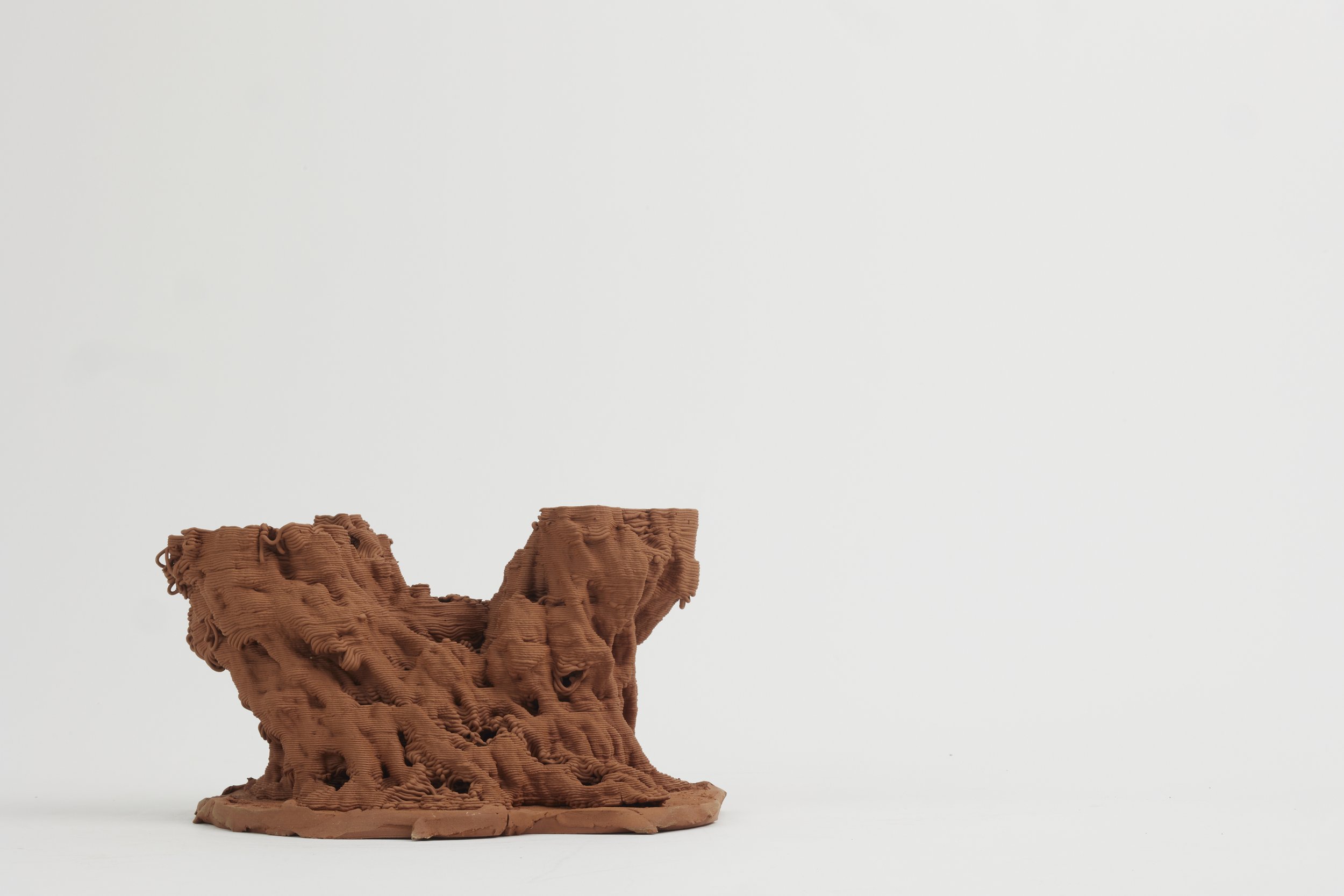
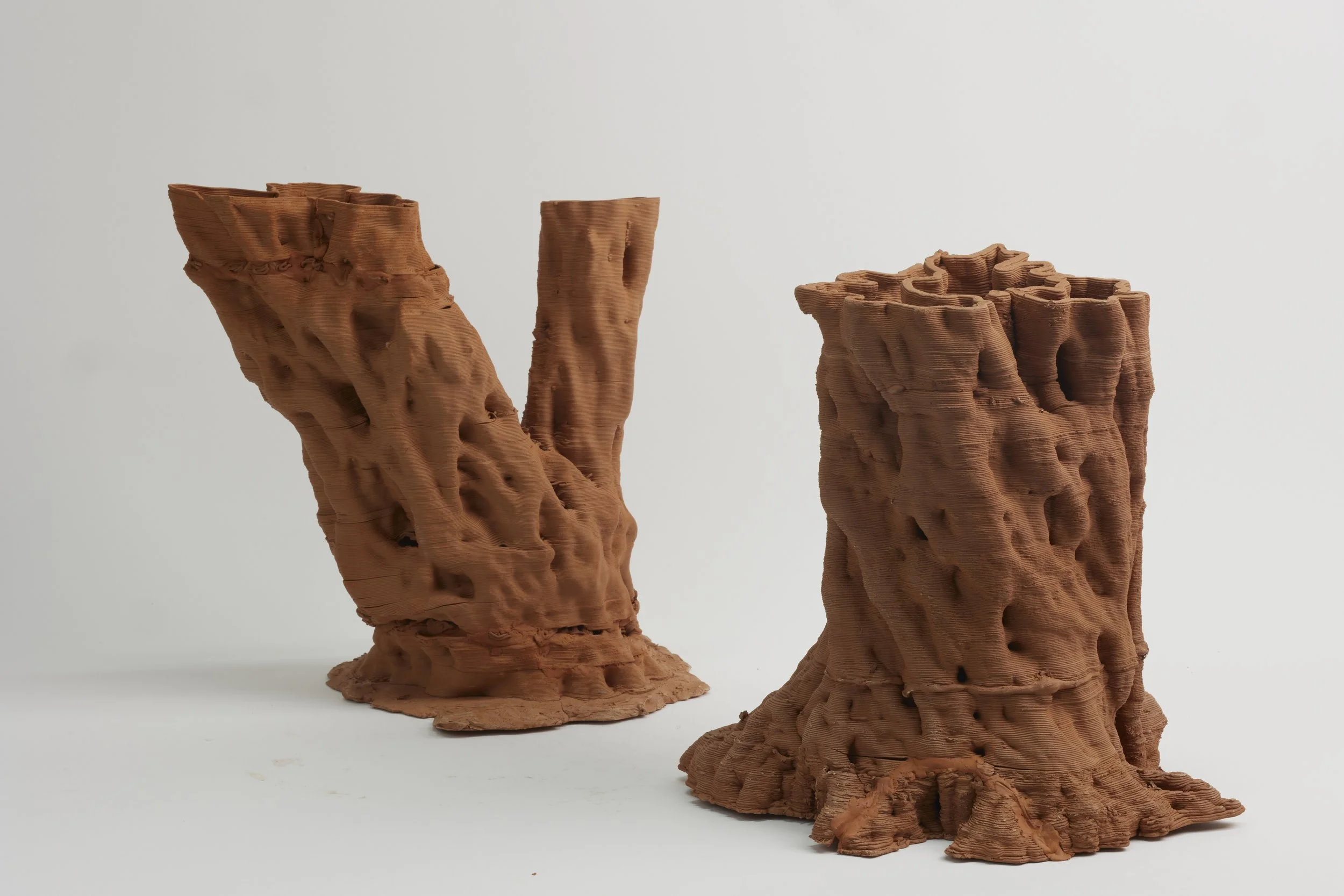
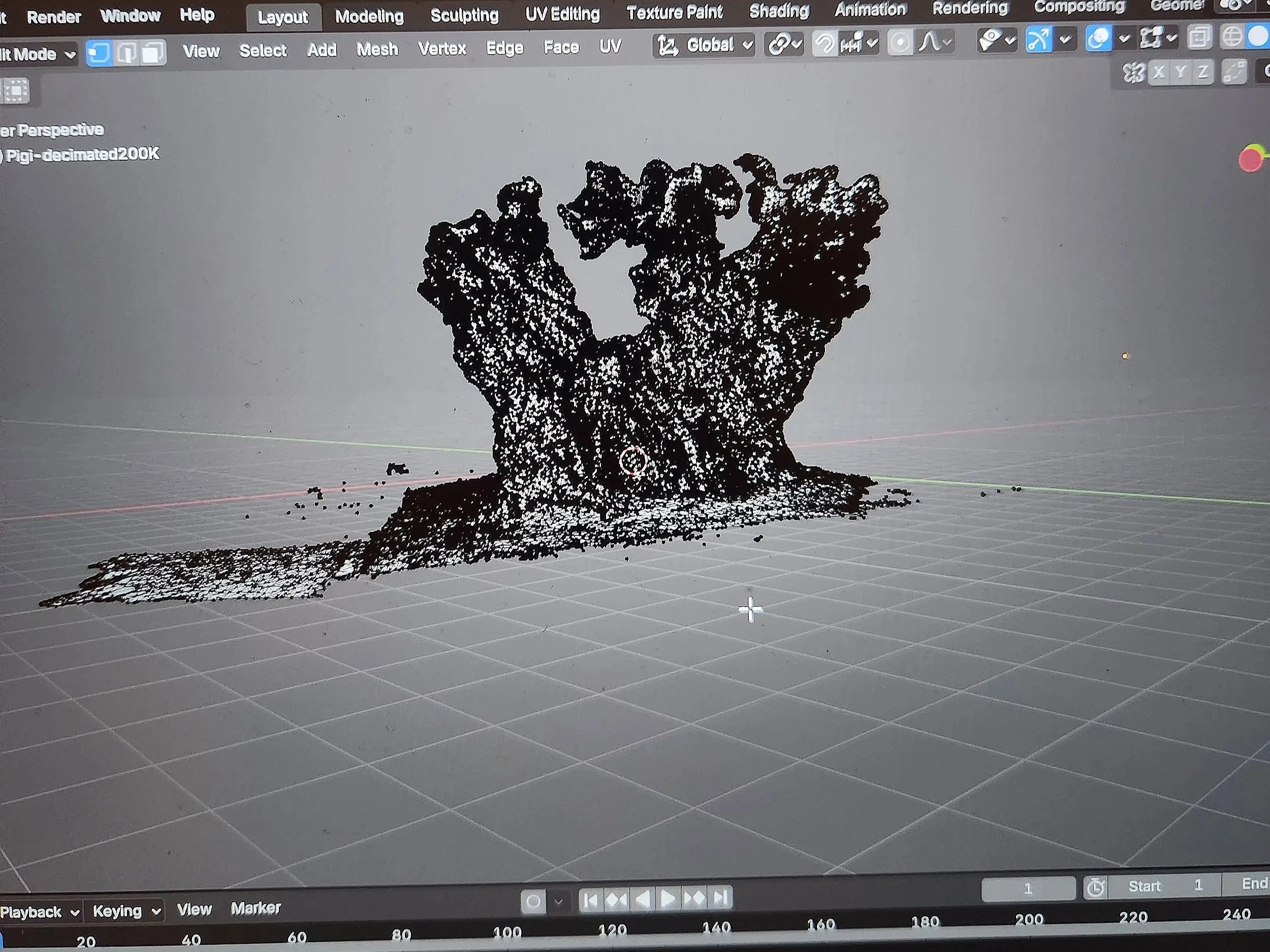
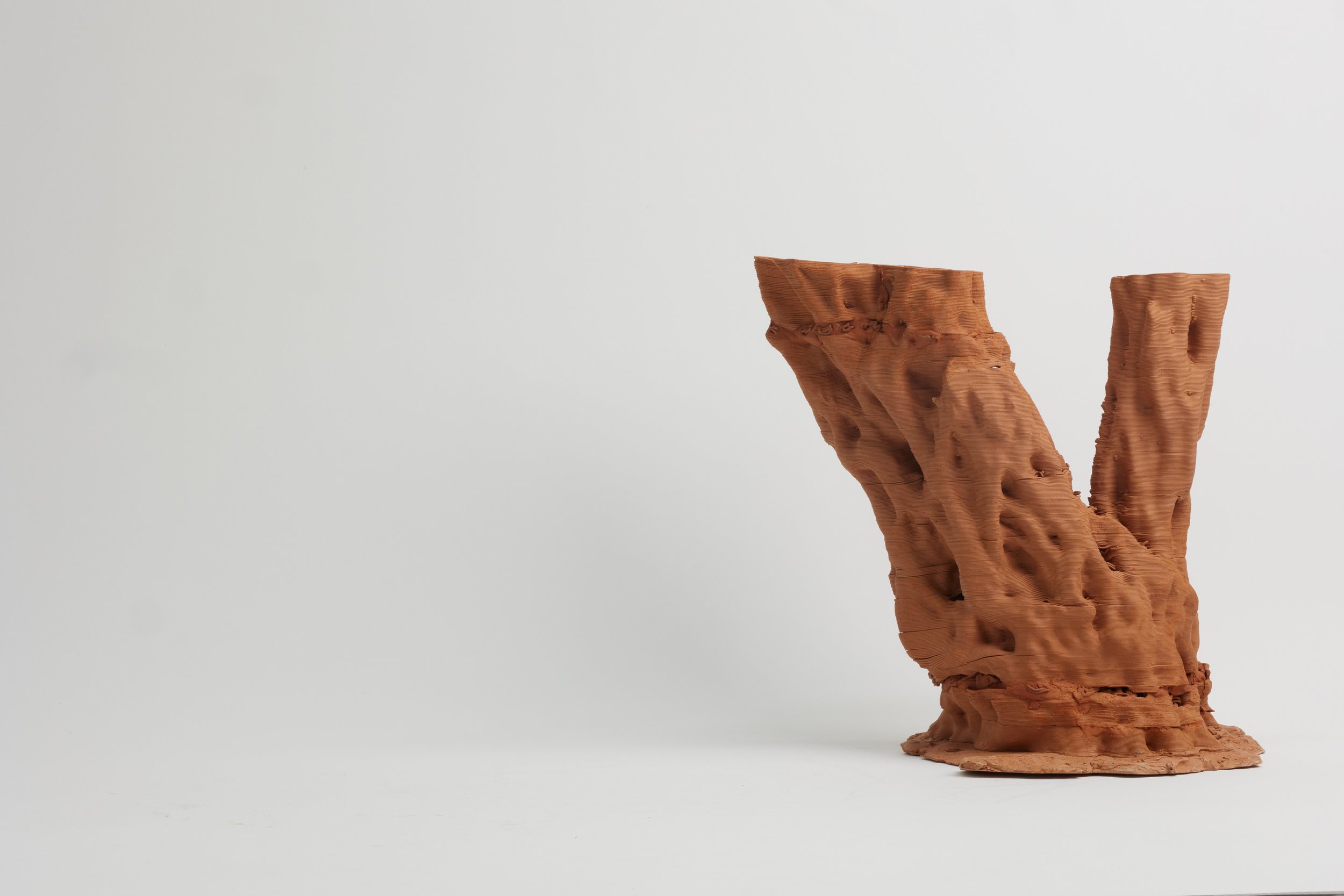
Each tree was 3D-scanned and passed through generative algorithms that broke its form open -deriving new morphologies from centuries-old growth. These were materialised at scale through clay 3D printing: the tree uprooted from its soil, translated into data, reshaped by code, and returned to earth as something transformed yet unmistakable. A body carried across borders in the only way left
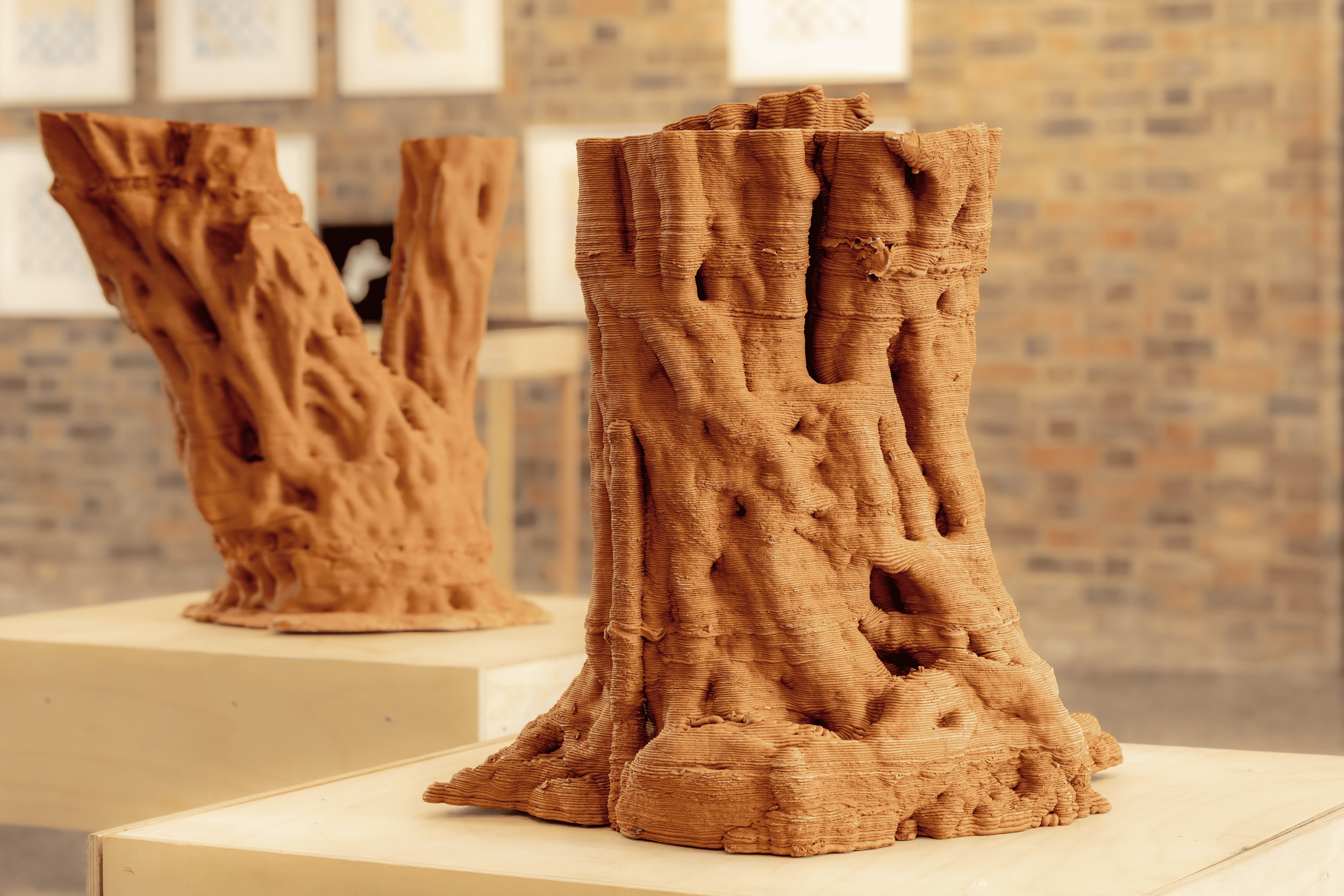
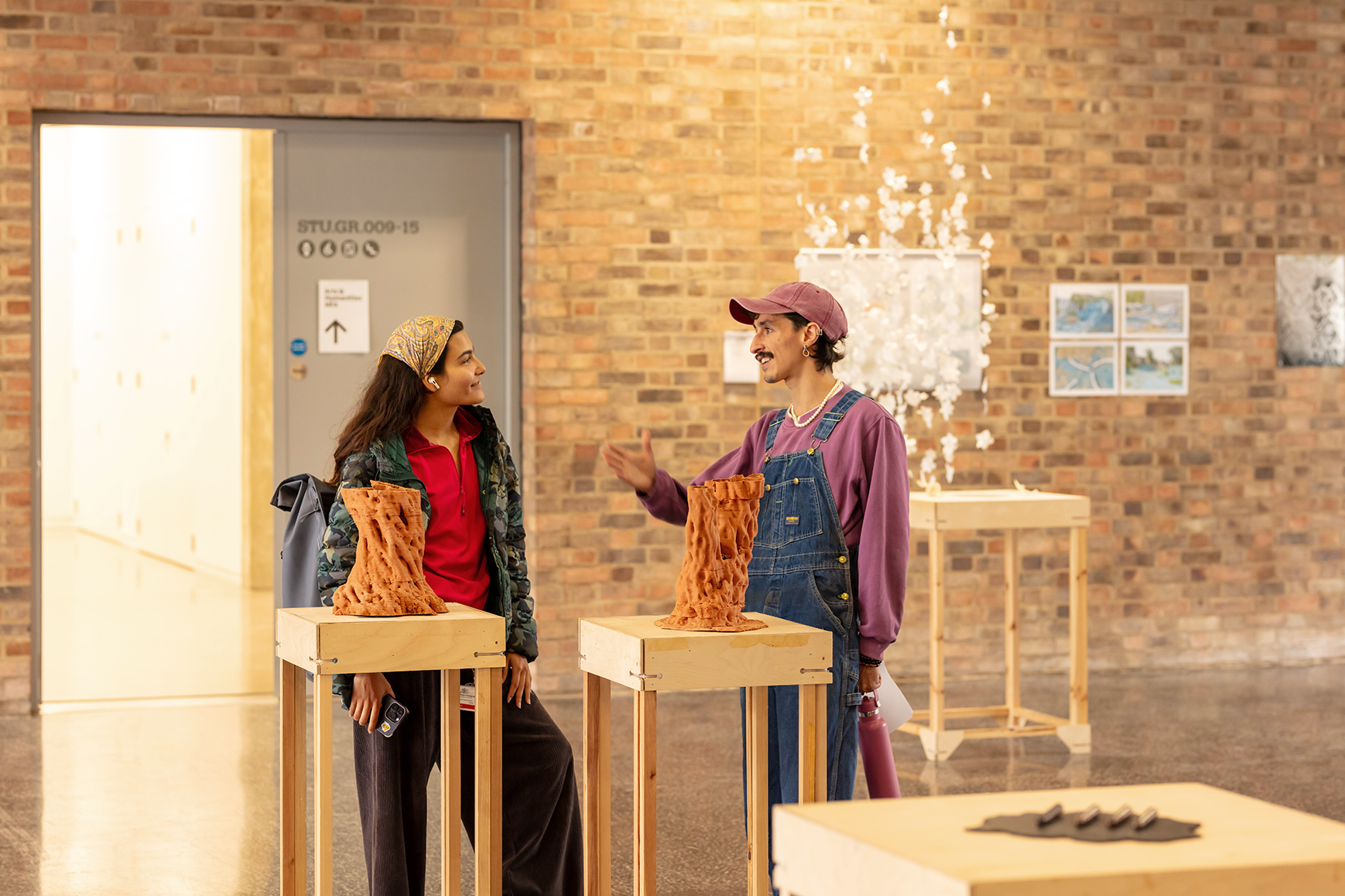
*Exhibited at Battersea Hangar Gallery, London
Ancient olive trees in Jerusalem's Valley of the Cross were captured through high-resolution 3D scanning and processed through generative algorithms — their centuries-old forms broken down, recombined, and materialised in clay at architectural scale. Each object carries the data of a living tree, reconstituted as something between relic and replica.
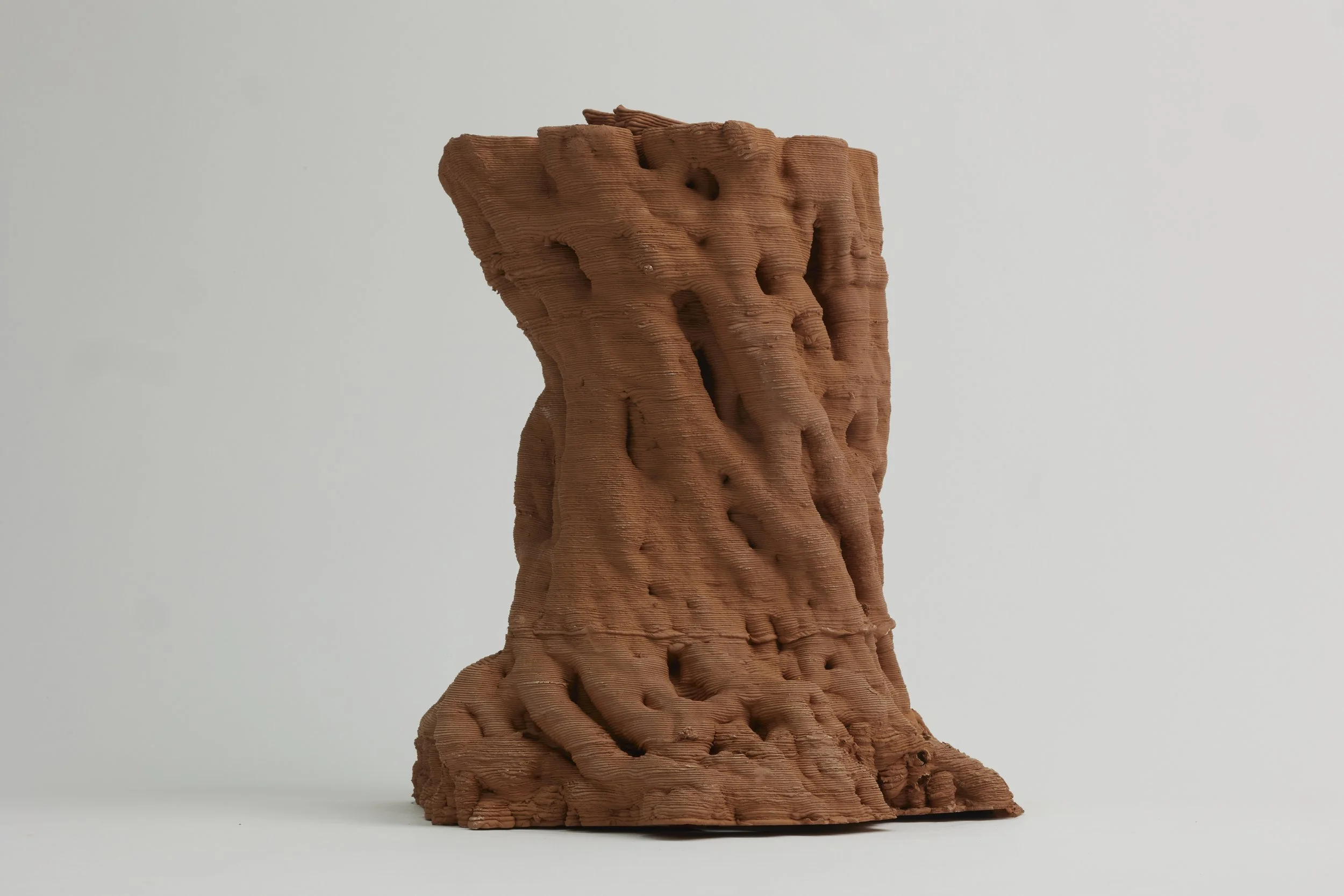
Presented at the Hangar Gallery in Battersea, the work transplants a deeply Levantine symbol onto foreign ground. The olive tree - one of the few points of emotional consensus across the Middle East - is digitised, displaced, and re-bodied in clay thousands of miles from its source. The work performs the very exile it names.